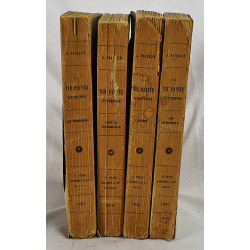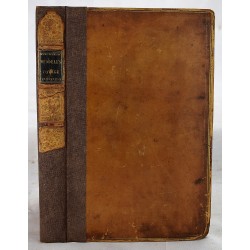

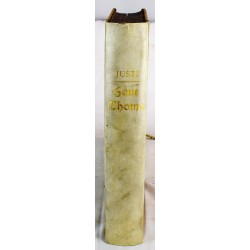


| Brand new. We distribute directly for the publisher. Clean, unmarked pages. Good binding and cover. Hardcover. ARMSTRONG, Sir ALEXANDER, [1818-1899] studied medicine in Dublin and at the University of Edinburgh, joined the Royal Navy as assistant surgeon in 1842. Gifted in his profession, he was commended by his superiors for effecting improvement in naval hygiene, and on 19 Oct. 1849 was promoted surgeon. That December he was appointed surgeon and naturalist to the Investigator under the command of Robert John Le Mesurier McClure*. The ship was one of two vessels commissioned to sail to the western Arctic by way of Bering Strait in search of the ships of Sir John Franklin, missing since 1845. The commanding officer was Captain Richard Collinson in Enterprise. Among the published journals of Arctic exploration, Armstrong's Personal narrative holds first place with Franklin's Narrative of ajourney to the shores of the polar sea in interest and value. The prosaic, methodical Irish surgeon has given us a Canadian Odyssey almost as grotesque as the original and possessing the dignity and authority of history. Restrained though his language may be, he is unmatched in depicting travel through turbulent seas, in cold and hunger, on a barren, desolate shore. In 1858 Armstrong's Observations on naval hygiene and scurvy, more particularly as the latter appeared during a polar voyage was published in London. He spent the following decades on seagoing appointments in the Baltic Sea and the West Indies, as superintendent of the naval hospital at Malta, and as director-general of the Royal Navy's medical department. He was awarded aKCB in 1871 and in 1880 retired to a quiet life. In 1894, five years before his death, he married the widow of Sir William King Hall.Ships daily. |